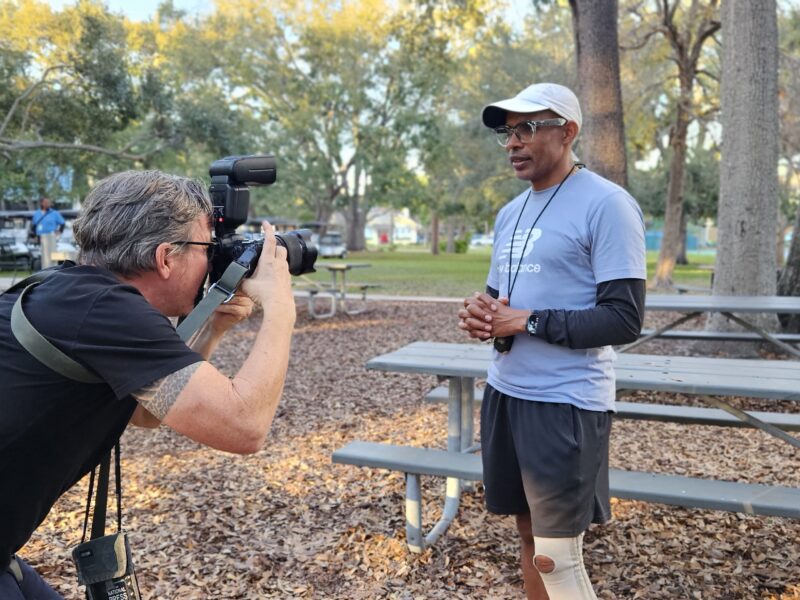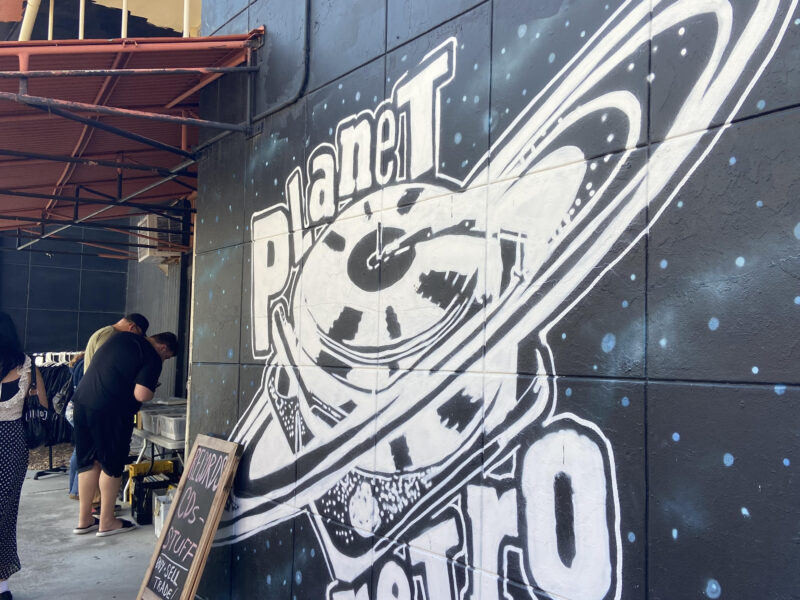

USFSP students’ collections include media from cassettes to gaming devices, all showcasing their unique interests, but also the rising engagement with physical media.
Photo courtesy of USFSP students
By Julia Ferrara
The streaming industry was supposed to kill off the physical media market.
According to an article from The Wrap, DVD and Blu-ray sales fell from $4.7 billion in revenue in 2017 to about $1.5 billion in 2022.
But even neck-deep into the digital age, there’s been a revival: students prefer to own the media they consume.
Physical media refers to any tangible item that is used to store or transmit data. And since the inception of streaming, physical media has taken a back seat with consumers.
To Violet Adams, a University of South Florida St. Petersburg senior psychology major, the return of physical media is indicative of the growing desire among individuals to engage with others.
“Physical media is making a comeback because it creates a sense of community,” Adams said. “Going to the record store and seeing your favorite employee, comparing collections with friends; it’s a part of what makes physical media magical.”
Adams’ favorite part of interacting with physical media is the “hunt” and the satisfaction of finally finding what she’s looking for.
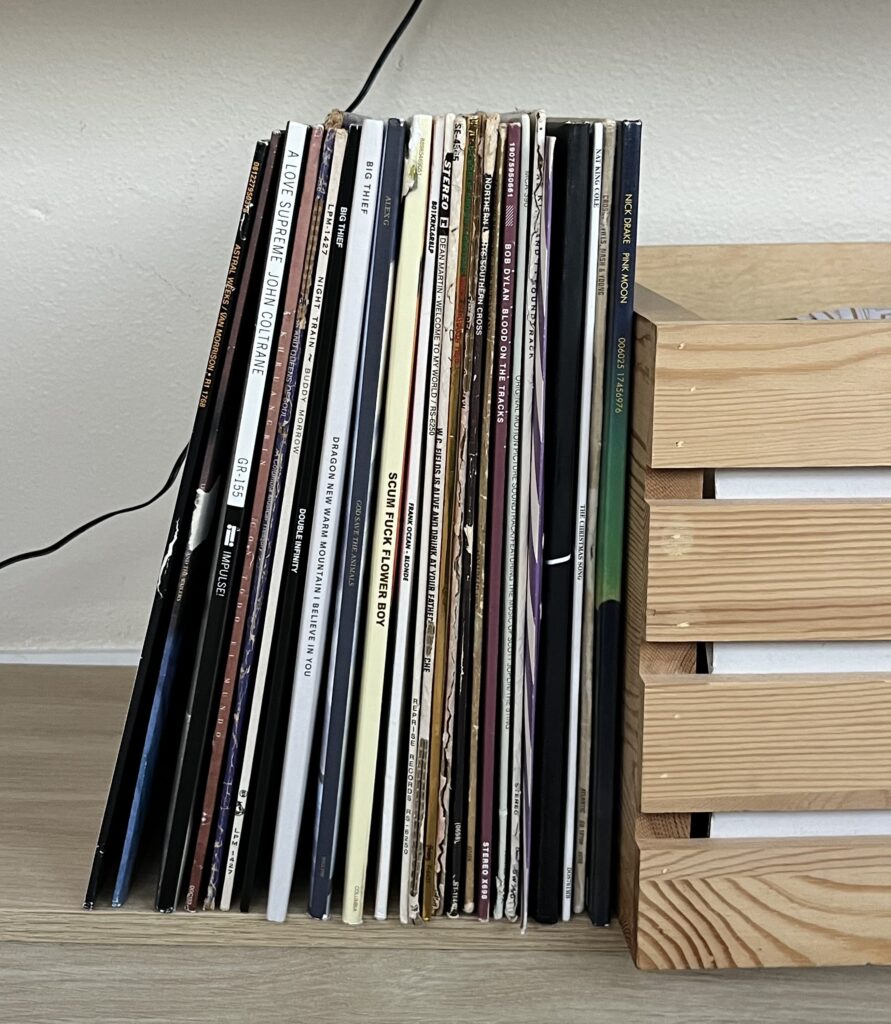
Sophia Lowrie, a senior journalism major, believes that this isn’t a revival, but a return to different forms of media that have always been popular.
“I think physical media never really stopped being cool [or] trendy due to its extensive variety; however, I have noticed recent niche audiences turn more towards physical media such as old gaming systems, and old movies.”
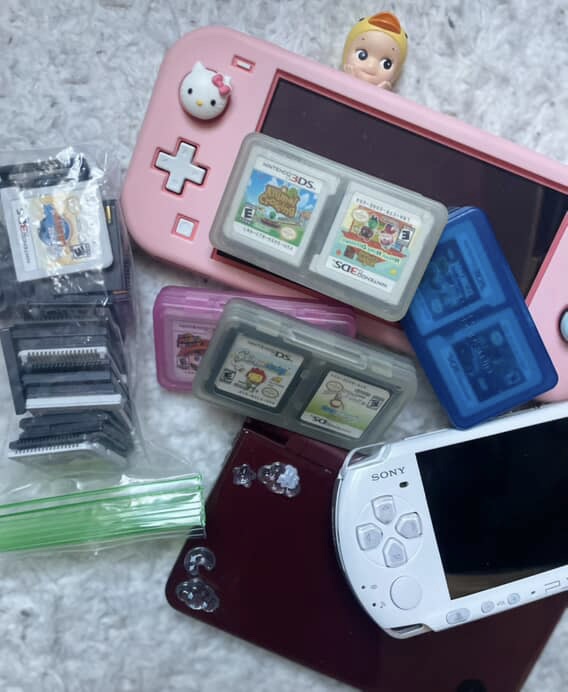
Photo courtesy of Sophia Lowrie
Mars Kerr, a junior environmental science major, also understands the aesthetic nature of physical media.
“People associate vintage items with looking cool,” said Kerr.
He adds that investing in physical media provides a solution to a more contemporary issue.
“Streaming and the lack of ownership that comes with things is so frustrating,” said Kerr. “Specifically with TV and movies, they get passed between streaming services or removed entirely, and it’s irritating that even when we pay for things, we don’t necessarily have access to them.”
“Buying physical media provides finality in the purchase,” said Kerr.
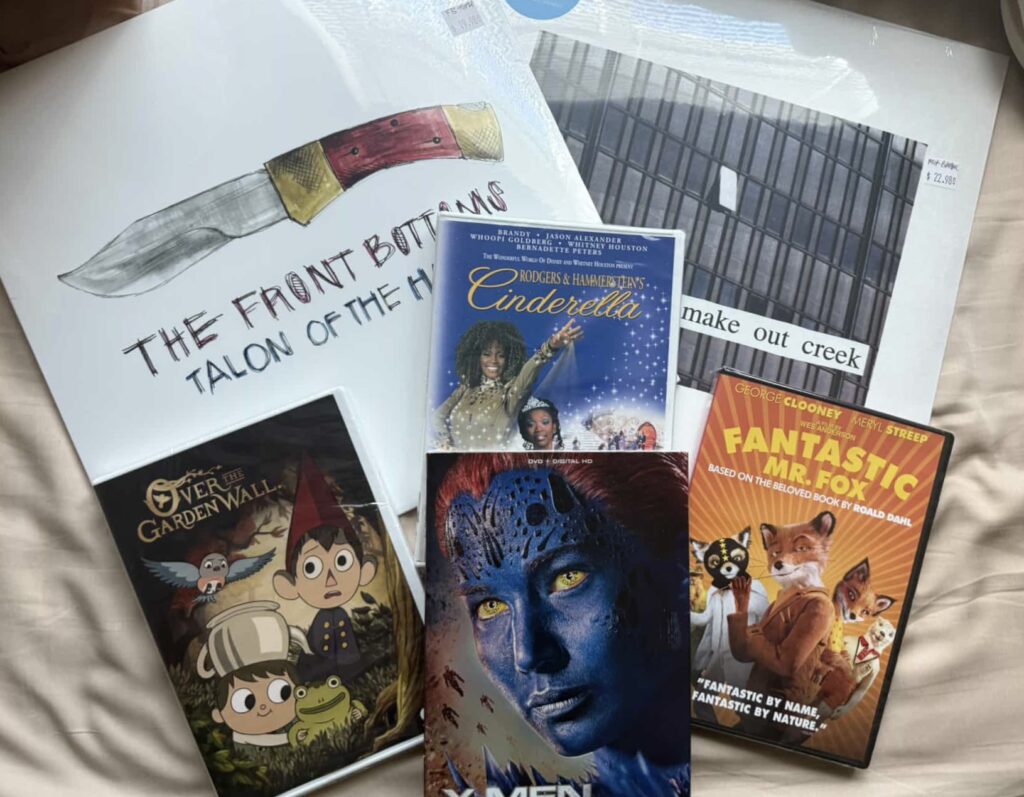
Photo courtesy of Mars Kerr
Lowrie notes that physical media can be more reliable than digital media.
“While nothing is truly permanent, there is more of a guarantee that your physical media will outlast digital media.”
Leo Faeberboeck, a sophomore anthropology and hospitality major, believes that the return of physical media is, in part, due to the need people have to quell their fears.
“Physical media allows us to have complete ownership of the work, without worrying that it will suddenly disappear or the price will increase,” he said.
“If major streaming services decide not to provide a TV show or movie, then it feels inaccessible, like it doesn’t even exist for consumers,” said Faeberboeck.
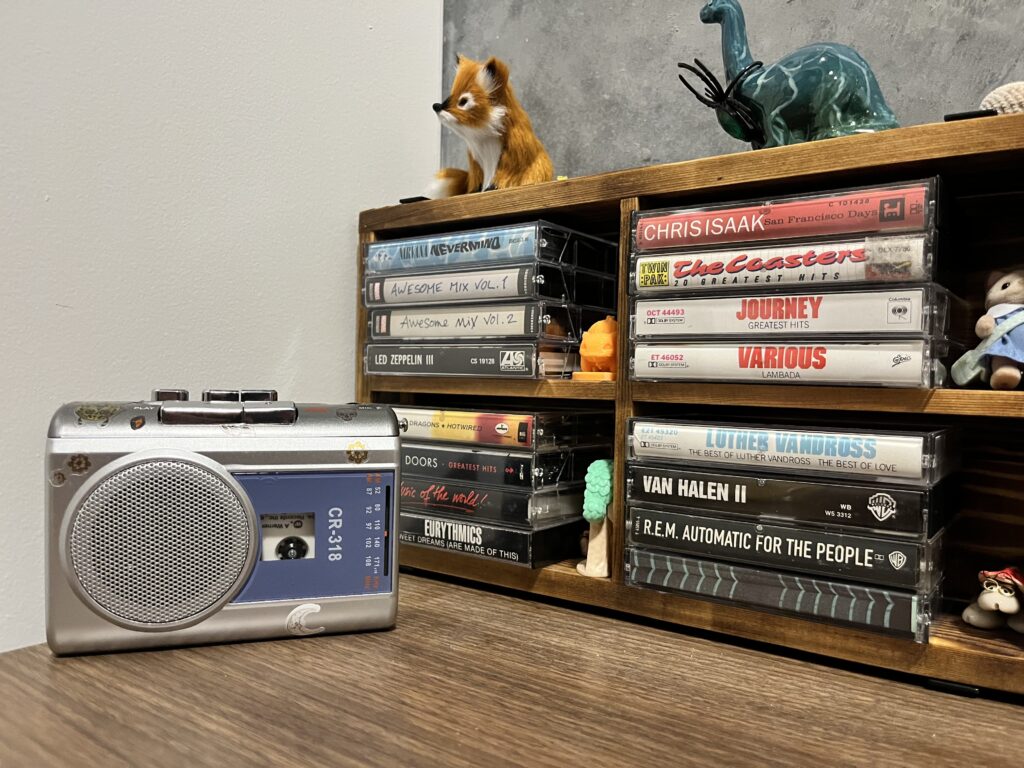
Photo courtesy of Leo Faeberboeck
Faeberboeck, a current collector of cassettes and an aspiring collector of DVDs, shares that using older technology, such as CD or DVD players, feels like taking a break from the doom and gloom of being online.
These devices also provide them with a unique listening experience compared to their phone.
“The revival of physical media feels like a return to my youth, but with new intentions,” said Faeberboeck.