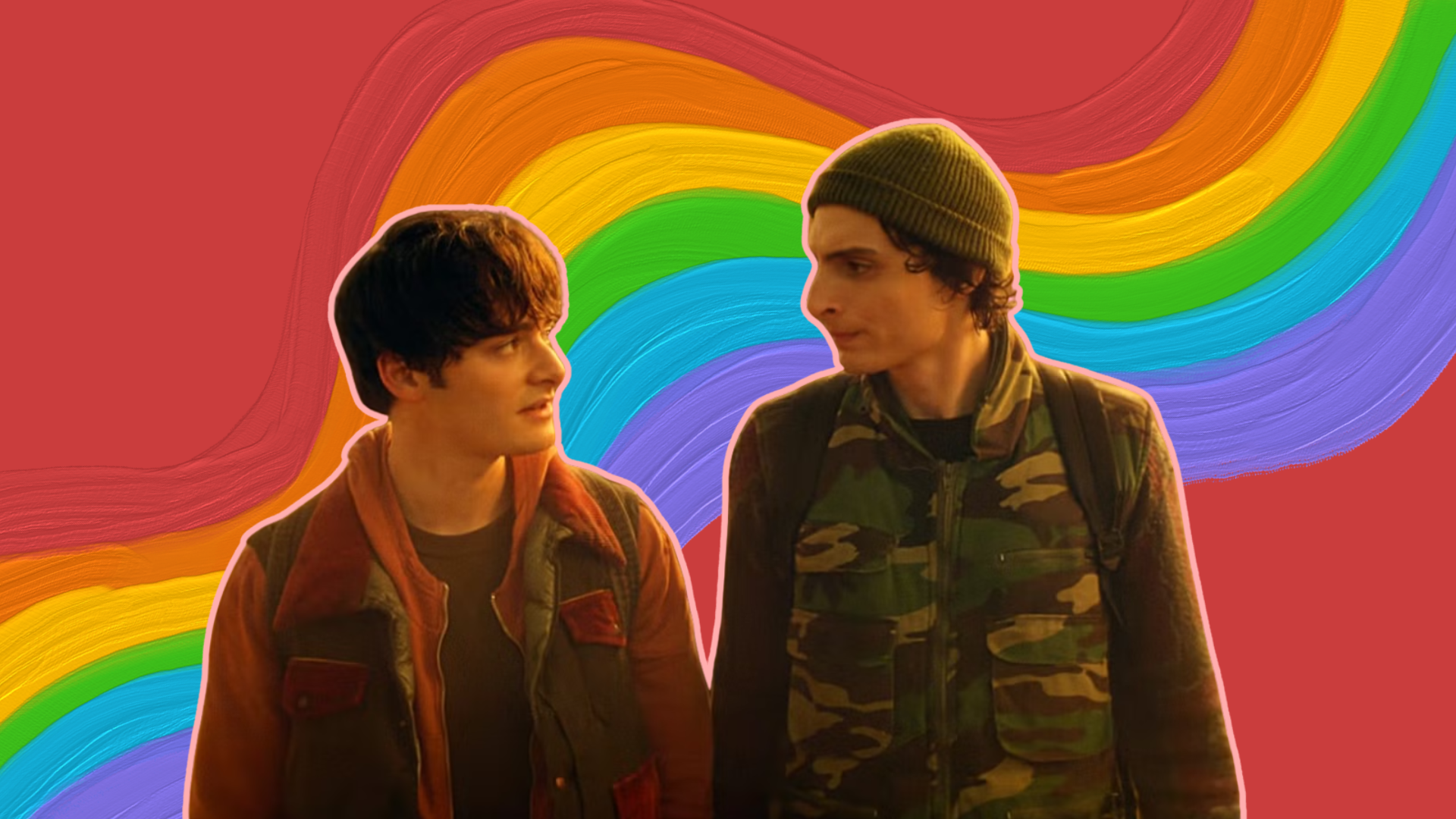
Will Byers (left) and Mike Wheeler (right) in the final season of hit Netflix series “Stranger Things”.
By Ashley Pena
After four years of anticipation, “Stranger Things” released its series finale on New Year’s Eve. Beloved for its blending of fantasy, horror, and its cherished characters, the Netflix phenomenon has garnered a massive audience since its 2016 premiere.
But as the ball dropped on New Year’s Eve, so did the hearts of many viewers as they watched the show write itself into the ground.
The finale dug plot holes within plot holes, left character arcs incomplete and managed to upset every pocket of their audience.
Loudest among these fans were the Byler — a combination of Will Byers’ and Mike Wheeler’s names by fans who believe the two should be in a romantic relationship — shippers, shouting one word from every social media platform: Queerbaiting.
There are a few terms that seem to circulate online communities endlessly. When fans of Byler were left with Mike and Will going their separate ways, despite nine years of evidence pointing toward a canon relationship between the two, queerbaiting reentered the conversation.
President of the University of South Florida St. Petersburg’s PRIDE Alliance, Skye Smith, told The Crow’s Nest that “queerbaiting is when an organization or company hints/markets characters as queer without ever actually making them queer.”
It would be easy to dismiss Byler fans’ disappointment as classic fandom ship war drama. However, the cast interviews, coded details and pandering towards Byler shippers make it clear that this goes beyond fandom infighting.
“Yes, these shows gain popularity and spark a lot of fan ‘ships,’ however, the creators stop short of ever confirming these relationships,” Smith said.
“Stranger Things” may have made progress by introducing Robin and Vickie, the show’s only queer couple, but fell short after both developing and separating the pair between seasons. Outside of Robin and Vickie, Will Byers is the only LGBTQ+ representation in the series.
He is also the only “Stranger Things” character to not have a romantic arc.
When criticized for this choice, “Stranger Things” showrunners doubled down claiming it realistic.
In a show where the final battle against a giant interdimensional spider is won with the help of a flare gun, it is hard to side with realism.
Realistically, “Stranger Things” chose to undermine the representation their queer audience was hoping for. Instead, the show sends a message that finding love and happiness is unlikely for queer people.
Smith emphasized the need for representation and the feelings that arise when it faces backlash.
“I believe representation in the media is incredibly important. I get frustrated when people say things like, ‘There are gay people in every show now,’ because the truth is, gay people exist everywhere in real life,” Smith said.
“They’re all around us. I think we often forget that the world is much bigger than our own small circles and that everyone deserves to see themselves represented in media, not just a select few,” she added.
There is something to be said in the queer community continuously advocating for representation, despite the cyclical nature of greedy showrunners. Still, instances of queerbaiting leave queer audiences dejected.
To fans feeling overlooked by the unsatisfying queer representation in media, the USF St. Petersburg’s PRIDE Alliance stated, “that they are not alone.”
“There’s still a huge lack of representation for many parts of the queer community,” Smith said. “I hope people realize that the popular, trending shows aren’t the only queer media out there. There is so much more. Queer media exists everywhere for those with the eyes to see.”