As USF celebrates its 70th anniversary, faculty, alumni and historians reflect on the unique history of the university’s waterfront campus.
Photo by Matthew McGovern | The Crow’s Nest
By Matthew McGovern
From dolphins and rays in Bayboro Harbor to cardboard boat races attended by excited onlookers, the University of South Florida St. Petersburg has always embraced a stark contrast from the main campus across the bridge in Tampa.
The “Bay Campus” of the USF system was chartered in 1965, making it the first official satellite campus for the university. Just years prior, Florida Presbyterian University, now Eckerd College, occupied the property.
When the Tampa Campus saw an unexpected influx in student enrollment in the mid-60’s, leaders opened the St. Petersburg campus to accommodate the overflow.
The first students and professors of USF St. Petersburg experienced a different campus than what exists today.
Though much has changed, the campus’s ambiance remains the same. It is described by members of the USF St. Petersburg community as one of the most unique public university experiences in the U.S.
Joan “Sudsy” Tschiderer attended her first lecture at USF St. Petersburg in the fall 1969. Her initial plan to attend the University of Florida’s journalism school fell through when she missed the application deadline — a mistake that turned out to be a blessing in disguise, as Sudsy has remained an integral part of the St. Petersburg community at large even after finishing her graduate studies at USF St. Petersburg in the 1970’s.
“I see this place, I get my class schedule and I think to myself that I’ll take a semester here, and there were probably 400 students at the time,” Tschiderer told The Crow’s Nest. “I wound up having these professors that were remarkable, student-centered and we were all able to interact with each other.”
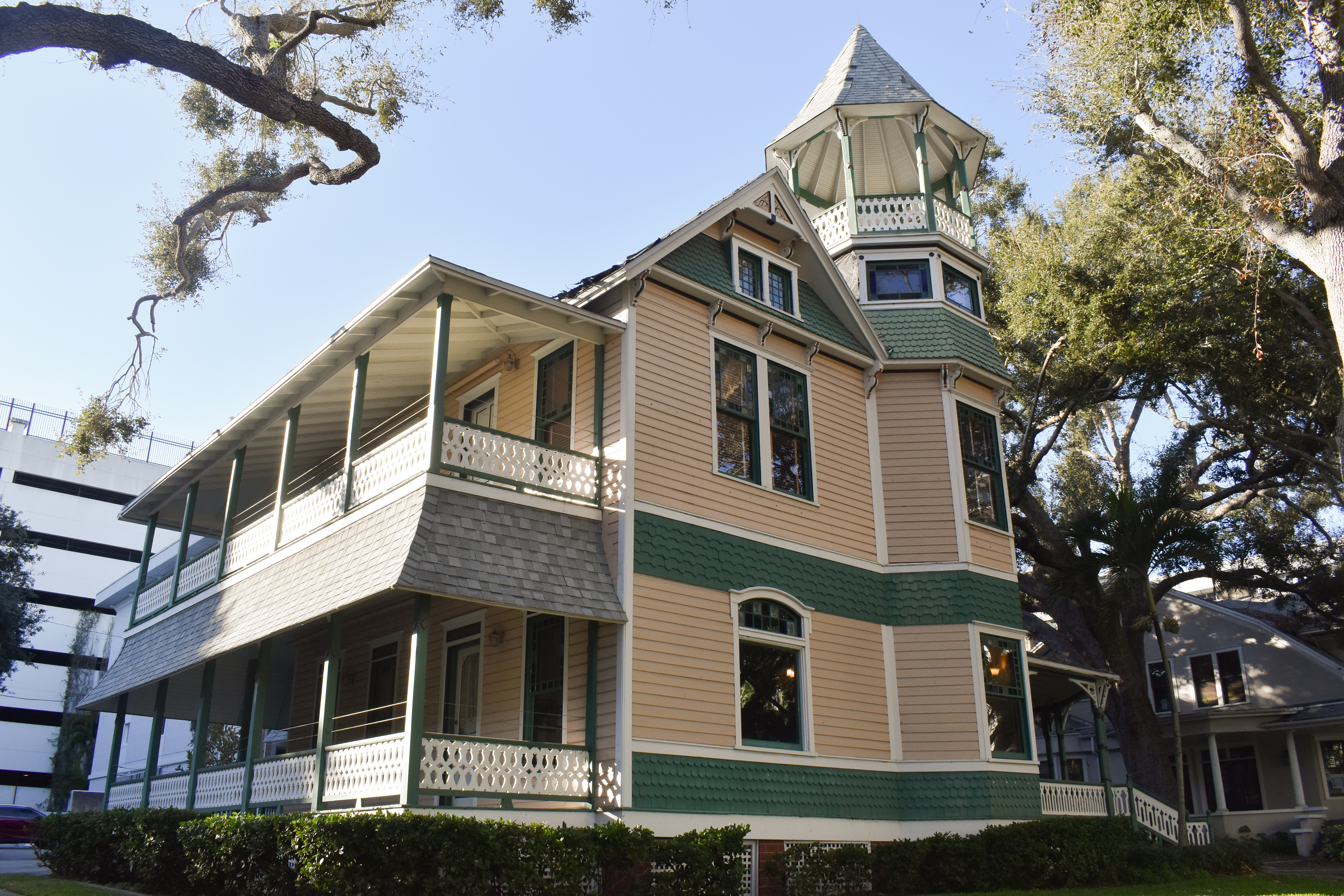
Photo by Matthew McGovern | The Crow’s Nest
When Tschiderer was a student, buildings at the end of the Bayboro peninsula were classrooms for students of almost all disciplines. Today, they serve as laboratories and classrooms for students in the marine biology program at USF St. Petersburg.
“There were Navy ships, British, Dutch and research vessels docked in the waterfront from February to May. We got to be friends with a lot of the people coming through and we had such a blast,” said Tschiderer.
Over the next three decades, USF St. Petersburg expanded its footprint. The Nelson Poynter Memorial Library, Davis and Bayboro Halls, Peter Rudy Wallace Center for Florida Teachers and the repurposed former Dalí museum into Harbor Hall changed the physical landscape of the campus.
A growing campus meant new accreditation and administrative processes in the mid-2000’s.
Hired as the dean of the College of Arts and Sciences at USF St. Petersburg in 2007 (and subsequently re-hired in late 2025), Professor Frank Biafora describes the separate accreditation for the St. Petersburg campus as a catalyst for the experience students are able to enjoy today.
“There was a legislator in Tallahassee, J.D. Alexander, who basically wanted a separately accredited university apart from USF [Tampa], and when I arrived, the university was sort of flushed with money. We built more residence halls, hired more faculty, gave more financial resources and set in place some new policies, procedures, and guidelines,” Biafora told The Crow’s Nest.
Though USF St. Petersburg has always embraced its quirks seldom found at other public universities, Biafora said that through constructing dorms for students, the university experienced a metamorphosis into a lively learning environment that leaned into those special features.
“This really was an evening campus,” Biafora said, in reference to the amount of junior, senior, and graduate-level classes on campus. “Then, it really became an undergraduate campus with the construction of the first residence hall — it was so 24/7.”
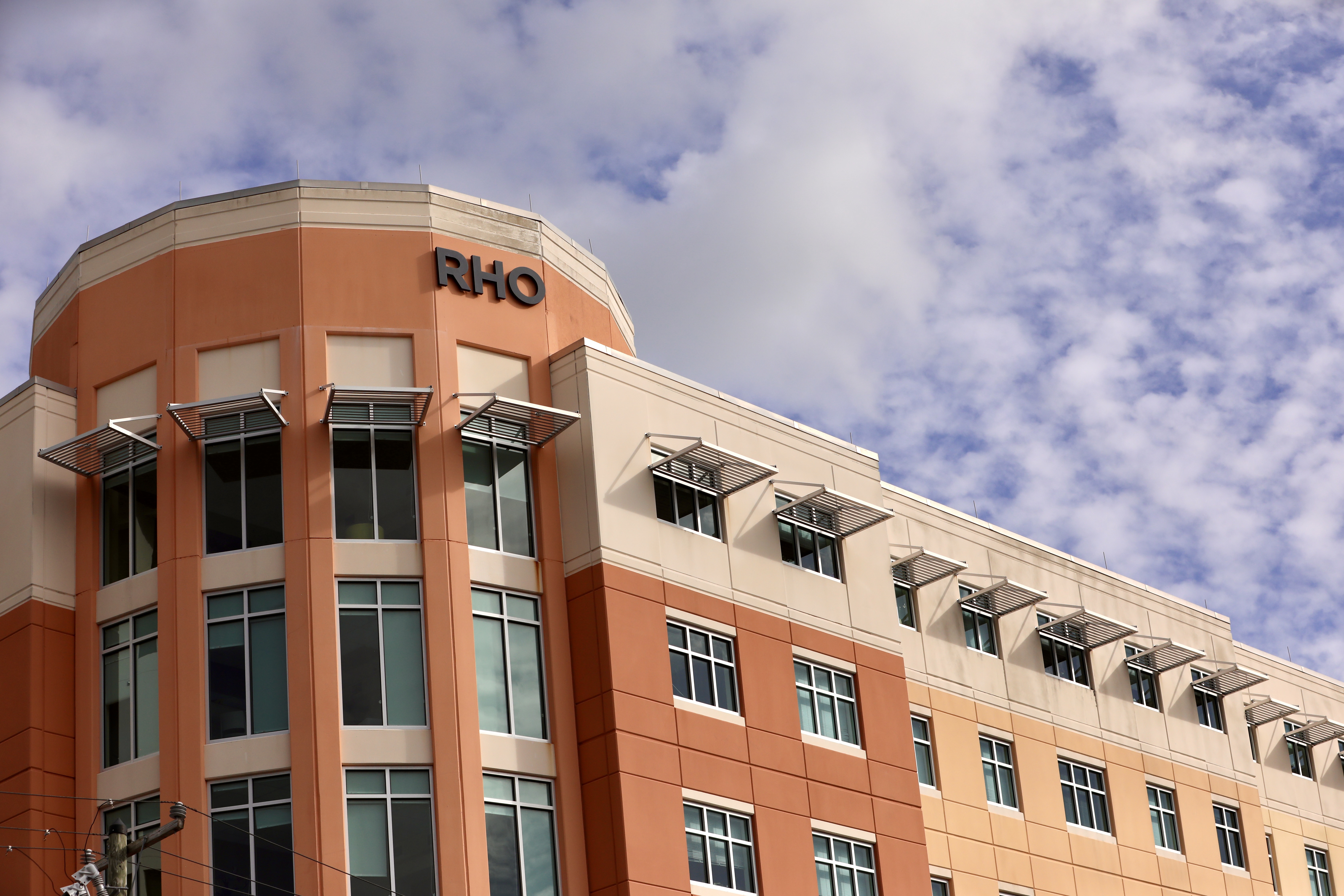
Photo by Kendall Bulkiewicz | The Crow’s Nest
The arrival of more students meant that more young minds would bear witness to the professors at USF St. Petersburg — some of which had stuck around since Tschiderer’s time as a graduate student.
Gary Mormino, professor emeritus at USF, has served the university and Tampa Bay community at large for nearly 50 years, contributing to literature and projects that sought to preserve the history of the region, its people, culture and natural resources.
Though he is now retired, Mormino still teaches one class a semester, usually to students in the Judy Genshaft Honors College, in order to stay connected to the campus that he has fallen in love with for its unique location, quietness and rich history.
“I came over [from USF Tampa] in 2003 to teach in a program professor Raymond Arsenault had just created — the Florida studies program,” Mormino said.
The creation of the Florida studies program aligned with a shift away from Mormino’s studies in immigration history in the Tampa Bay region and a focus on the history of Florida at large, he told The Crow’s Nest.
“This was just an ideal place. We brought in Chris Meindl, Julie Armstrong, Tom Hallock —I’m definitely leaving out a few colleagues. But I look around and think, ‘What an exciting place.’ Coming here was the best move I ever made in my life aside from marrying my wife,” Mormino said.
Though the names of these beloved educators may not be recognizable to all, they are known by many in the USF St. Petersburg community.
Mormino, Tschiderer and Biafora expressed that their connection to this campus does not necessarily stem from the dolphins in the harbor, the sounds of propellers landing at nearby Alfred Whitted Airport, or the work-life balance that comes from working on a beautiful college campus. It comes from being a part of a place that has not wavered in its commitment to community and providing a world-class learning and experience for 61 years.
“You really feel like you are a part of something here,” Biafora said, while watching students chalk below the windows of the dean’s suite in Davis Hall. “And Tampa, it’s a behemoth campus. How cool is it that you can walk around this campus, and someone says, ‘Hey Matthew!’”
Former students, like Alexandra Vargas Minor, who now serves as the curator of campus archives at the Nelson Poynter Memorial Library, echo this sentiment of connection to the community.
“I actually didn’t know that USF St. Pete existed when I was in undergrad,” Vargas Minor said.
She completed her graduate studies in the library information science program during the COVID-19 pandemic, which disconnected her from campus life at the university.
Once joining the Poynter Library staff in 2023, she began to understand more about USF St. Petersburg’s comforting environment and how it differed greatly from the Tampa campus.
“When I’ve gone over to the Marshall [Student] Center, I feel like it’s like walking into the mall, and that’s not the case on our campus at all,” Vargas Minor said. “Working here more and more and interacting with people who have been here and digging into the campus archives, I’ve gotten to know the landscape of things a lot more.”
As the university transitions and seeks to re-consolidate its three campuses through the
OneUSF initiative, Vargas Minor’s grasp of the nuances that differentiate Tampa and St. Petersburg allows her and the team at the Poynter library to safeguard and showcase the local community.
“We have a really unique campus within the larger USF infrastructure. I really strive to be able to protect that uniqueness and make sure that the legacy is passed on,” Vargas Minor said.
As a whole, USF has grown to be a top research University with over 40,000 students, gaining national recognition along the way.
USF St. Petersburg aims to produce high-quality and career-ready young professionals, whether they venture off to bigger opportunities or make a home for themselves in St. Petersburg post-graduation.
Gary Mormino says this is why he does it.
“It’s wonderful…seeing your students get into graduate school or win a prize,” Mormino said. “Nothing is better than seeing them go on and be successful in life.”